
Part 2: A Special Conversation in Afrofuturism x AfroSurrealism with Vince Fraser ⚡️👁🖤👁⚡️
More Dreams, Higher Frequencies, and New Ancestral Odysseys.
Welcome to part two of the new interview series in the Apeiros World Project newsletter! This series and format features stories from creators in the Art x Commerce+Community space.
Continuing from part 1 of our interview with Vince Fraser. We discuss hobbies, collabs, family and evolution as a creator. Enjoy!
From Duppies of the Deep to the UNFOLLOW ME Tour
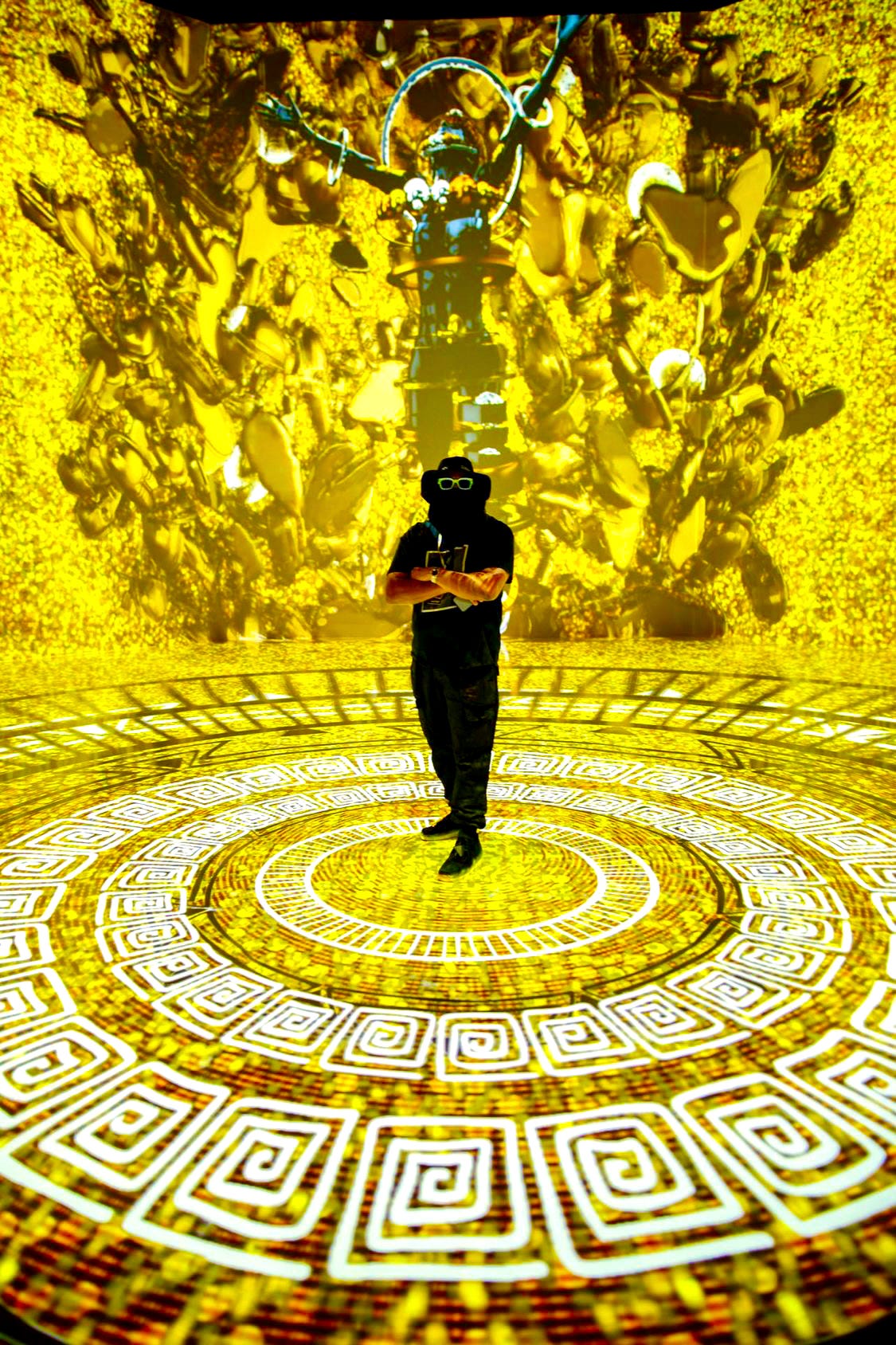
A Hero on his Odyssey— Every story needs a hero and Vince Fraser is one of the prominent modern day innovators and visual orators in the realm of Afrofuturism and Afrosurrealism.
In the midst of two different cultures and customs he infuses impossible to ignore visual experiences that leaves you wanting more.
How does Vince Fraser recharge his creative batteries, any hobbies or ‘cleansing rituals’ for the mind and inspiration?
I’ve learnt that you can’t force creativity. Sometimes the best ideas come when you step away from the work. I recharge by spending time in nature, listening to music or visiting galleries and museums. Music is a big part of my life—whether it’s jazz, reggae, soul or deep house, it helps me reconnect with the spiritual side of creating. The gym is also my sanctuary. Training at 2am isn’t for everyone, but that quiet time gives me clarity, discipline and focus before the day begins. Ultimately, I find inspiration by living life. Every experience finds its way back into the work.
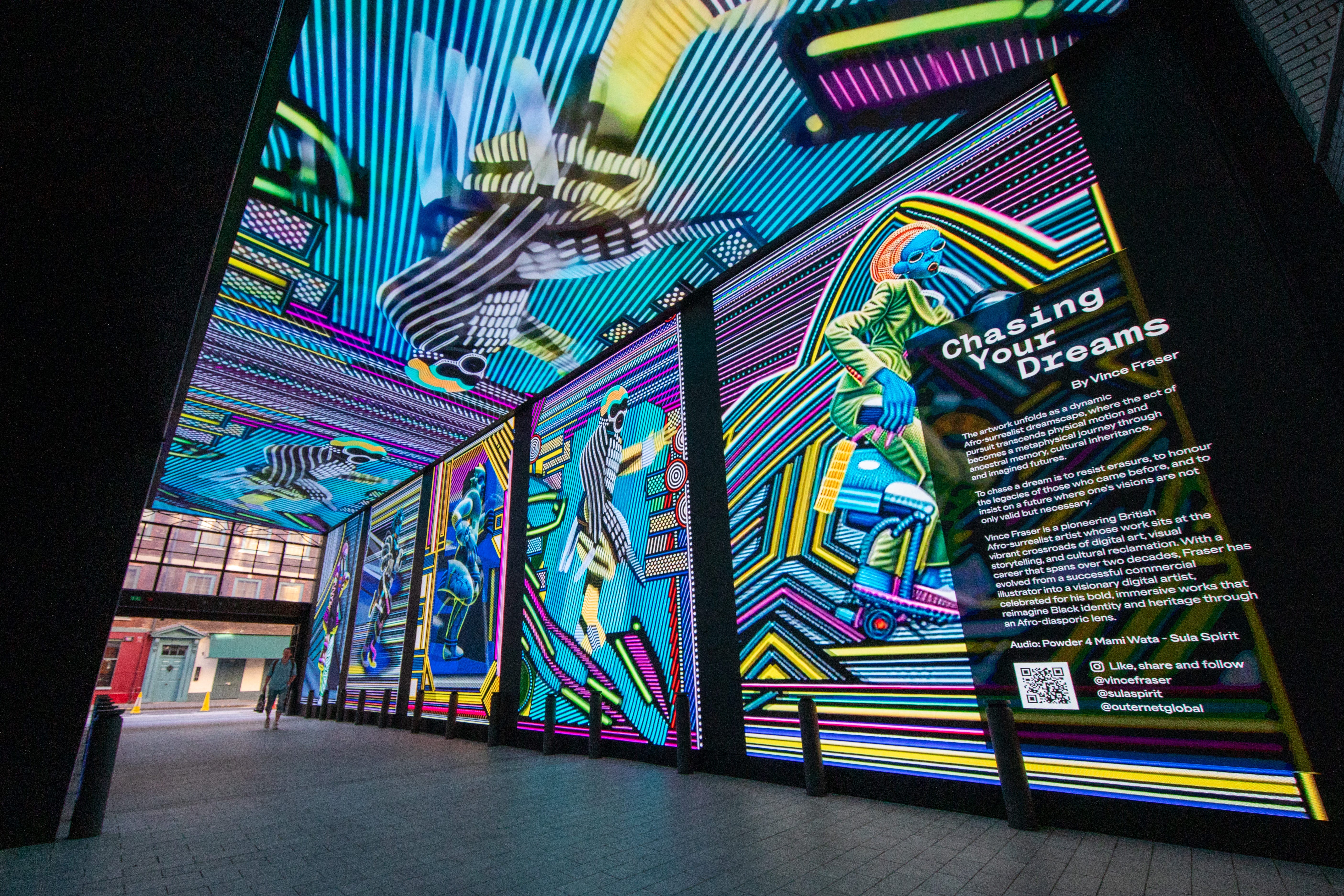
How did you working at the architecture firm influence your current artistic journey and works? Was it a mindset or perspective it gave you?
My time working within an Architectural Interior Design company had a huge influence on how I approach creativity today. Architecture and Interior Design taught me to think beyond the individual image and consider the relationship between space, experience and emotion. It showed me that design isn’t just about creating something visually appealing—it is about shaping how people move through, interact with and feel within an environment.
Although I eventually moved into illustration and digital art, that architectural mindset has stayed with me. I still think like a designer of worlds. Whether I’m creating a digital artwork, animation or immersive installation, I’m always thinking about the entire experience—the atmosphere, the narrative, the way an audience enters the work and what they take away from it emotionally.
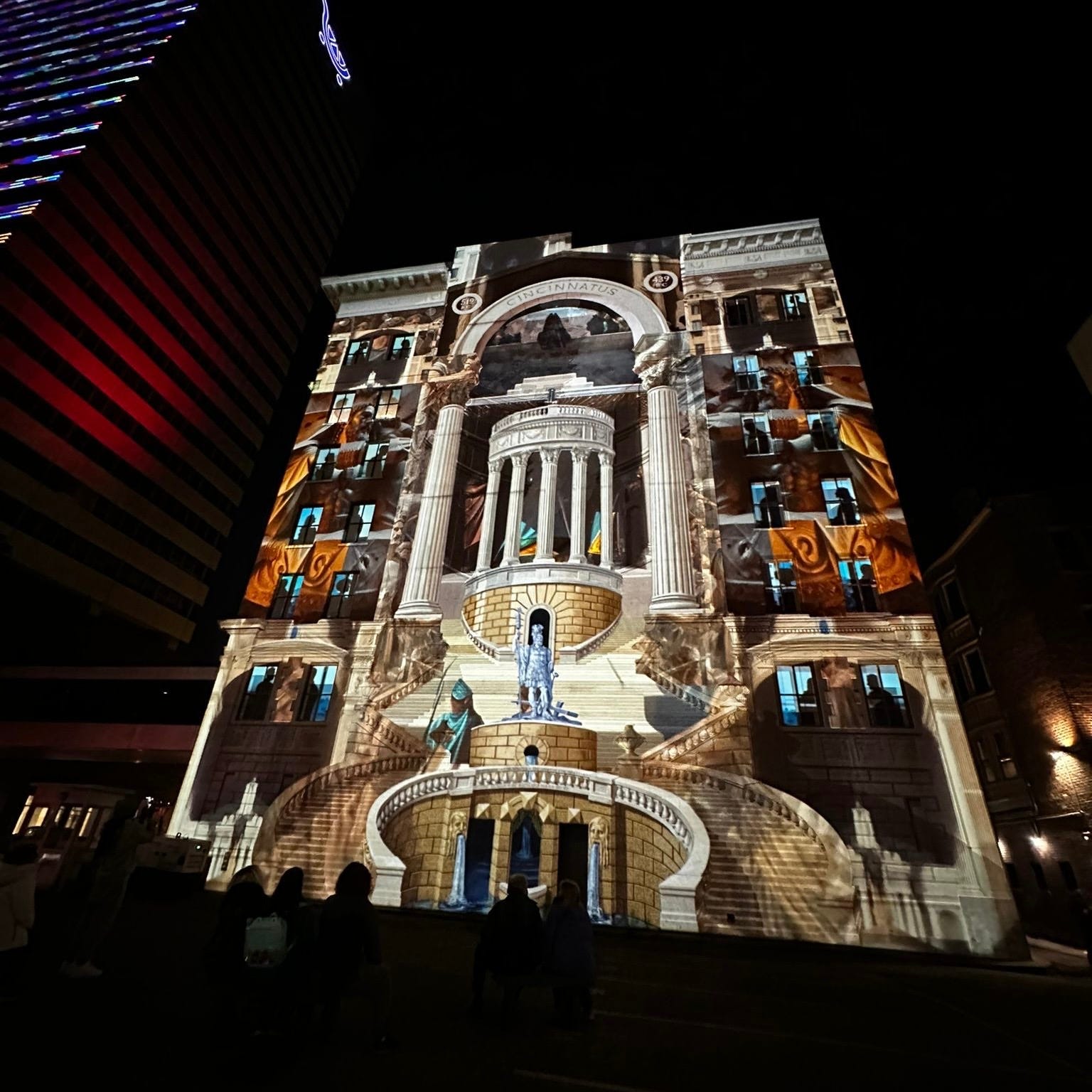
Architecture also taught me the importance of structure, research and problem-solving. A building or space may begin as an idea, but it requires planning, patience and collaboration to become reality. I approach my artwork in a similar way. The concept is the foundation, the symbolism becomes the structure, and the technology becomes the materials I use to bring the vision to life.
I think that background is one of the reasons I have naturally gravitated towards large-scale installations and immersive experiences. I’ve always been interested in creating spaces people can step into rather than simply images they look at. In many ways, my practice today is a continuation of that architectural thinking—just using digital tools, storytelling and cultural memory as my building materials.
What was your experience like working with Erykah Badu and how did that relationship and project blossom?
Erykah had been a keen admirer of my work for a number of years, so I always felt that it was only a matter of time before our paths crossed. There was already a mutual appreciation and understanding of the spaces we were both exploring creatively—the connection between culture, spirituality, identity and storytelling.
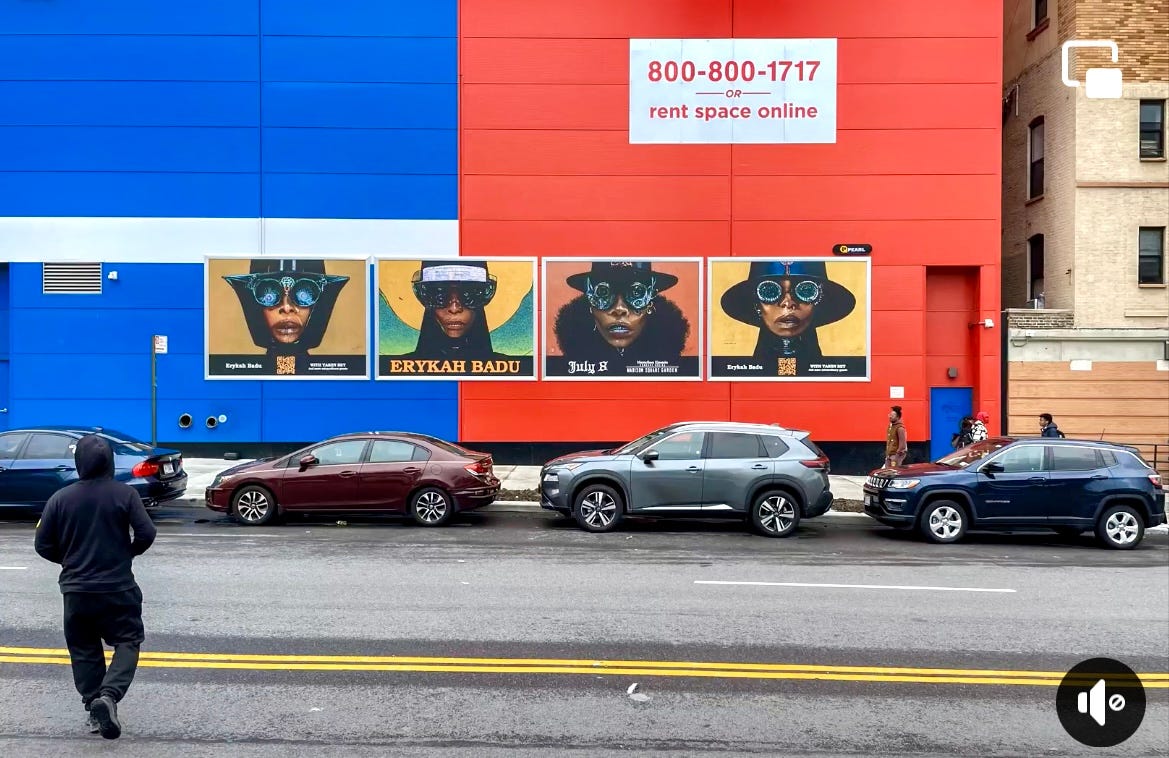
I believe when frequencies align, beautiful things can happen, and that was definitely the case with Erykah. There was an immediate sense of creative harmony because we both approach our work from a place of intention. It’s not just about creating something visually or sonically powerful; it’s about connecting with something deeper and creating experiences that have meaning.
Working together on the visuals for the UNFOLLOW ME Tour felt like a natural extension of that shared energy. Erykah’s artistry has always carried a sense of wisdom, consciousness and ancestral connection, and those themes are also central to my own practice. The collaboration allowed us to bring together visual art, music and immersive technology to create a space where audiences could feel connected to something beyond the physical.
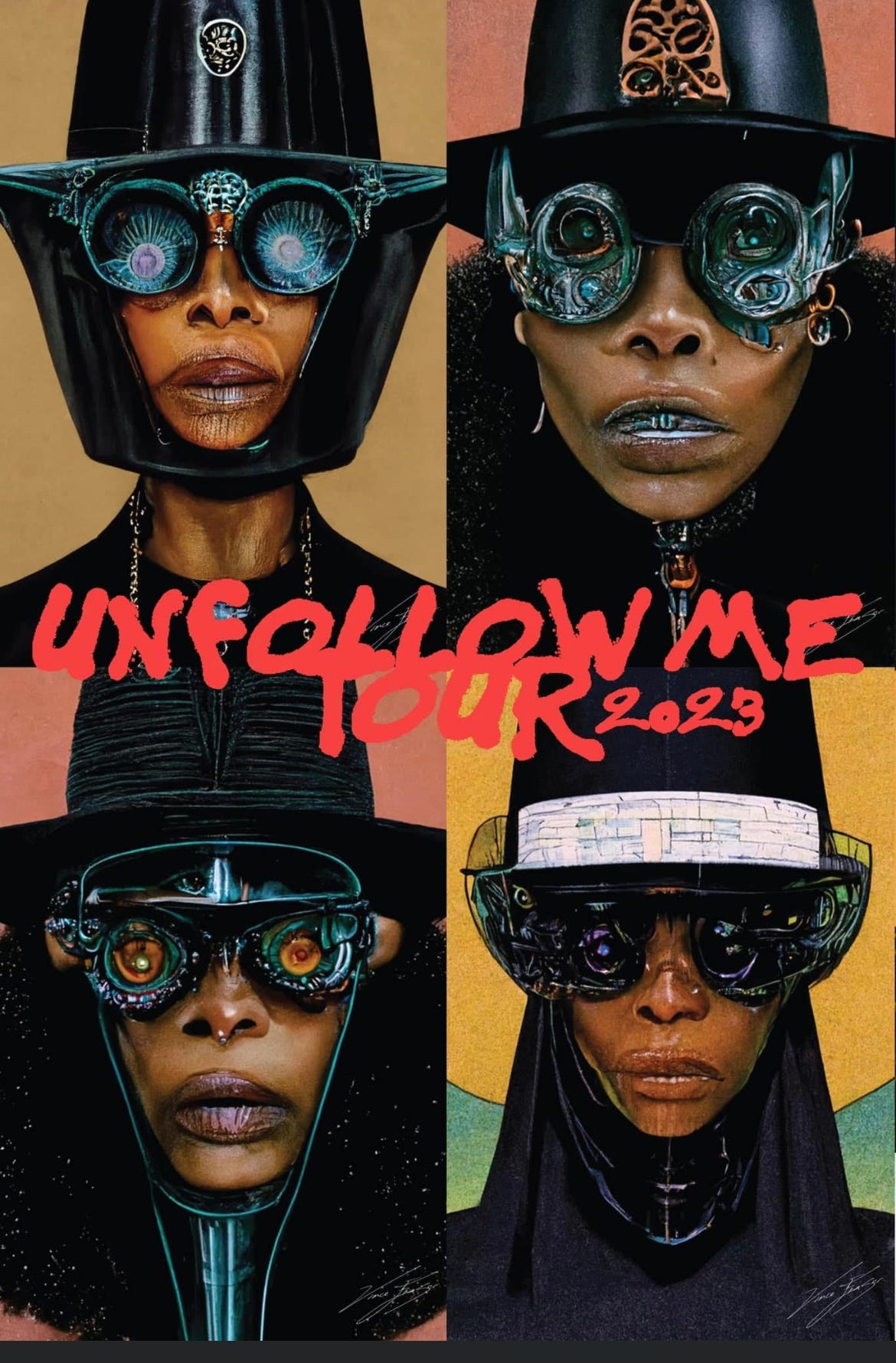
“For me, the project was a reminder that the strongest collaborations happen when people are connected by a shared purpose. When the intention is aligned and the creative frequencies match, the work naturally becomes something greater than what any one person could create alone.”
Which collaborative project has been the most fulfilling and rewarding for you so far?
Without question, Ancestral Odyssey has been the most meaningful project of my career so far. Every project teaches you something, but this one felt deeply personal because it brought together everything I’ve been exploring over the years—ancestry, identity, spirituality, storytelling and immersive technology.
What made it particularly special was that it wasn’t simply about creating beautiful visuals. It was about honouring the resilience of the African diaspora and celebrating traditions that have survived across generations despite displacement, oppression and attempts at erasure. Having the opportunity to tell those stories through an immersive digital experience felt like both a privilege and a responsibility.
“The project also represented a milestone in my own journey as an artist. For years I’ve been interested in creating work that people can step inside rather than simply observe. Ancestral Odyssey allowed me to realise that vision on a significant scale, creating an emotional experience that invited audiences to connect with history in a deeply personal way.”
Seeing people engage with the work—watching them pause, reflect and recognise elements of themselves or their own heritage—was incredibly rewarding. Those moments remind me why I create art in the first place.
I also feel there is something poetic about using the latest digital technologies to preserve some of our oldest stories. For me, Ancestral Odyssey demonstrates that innovation and ancestry don’t exist in opposition to one another; they can work together to ensure our cultural memories continue to live, evolve and reach new generations.More than anything, Ancestral Odyssey reaffirmed my purpose as an artist. It showed me that when your work comes from an authentic place, it has the power to connect people across cultures, generations and lived experiences. That’s the kind of work I want to keep making. Also it’s a massive milestone in my career having a permanent installation in a museum, which can be viewed all year round.
What is your creative ritual like on an average day as you begin working on your creative projects?
No two days are ever quite the same, but I always begin by feeding my curiosity. Before I open any creative software, I’ll spend time observing everything around me which could involve reading, researching or watching something that sparks an idea. That might be African history, mythology, contemporary culture, music, photography or even a conversation I’ve had the day before. Inspiration can come from anywhere.
Once I have a direction, I start collecting visual references and building mood boards. From there, I sketch ideas and experiment with AI as a creative partner, using it to explore compositions, symbolism and unexpected visual possibilities. It’s a process of discovery rather than searching for a finished image. After many iterations I then move into refining the work using digital compositing, where the piece gradually takes on its own personality.
Music is always playing in the background—it helps me get into a creative flow. Some days it’s jazz, reggae or soul, other days it’s electronic music, depending on the mood of the project.
Above all, I try not to force ideas. I’ve learned to trust the process. Research, experimentation and play are just as important as the final artwork. Every project starts with a question, and the creative process is about uncovering the answer.
How have you evolved as a creator over time, what would you contribute as the catalyst for that evolution?
When I look back over my career, I realise I’ve never been afraid to evolve. I’ve gone from interior design to graphic design, illustration, digital art, animation, immersive installations and now AI-assisted creative practice. On the surface it looks like I’ve changed direction several times, but in reality I’ve always been pursuing the same thing—finding better ways to tell stories.
The biggest catalyst has been curiosity. I’ve always been fascinated by what’s possible, whether that’s a new piece of software, a new technology or a different way of thinking about culture and identity. Rather than resisting change, I’ve tried to understand how new tools can expand my creative language without losing my voice.
Another important shift has been becoming more confident in telling my own stories. Earlier in my career I was often bringing other people’s ideas to life through commercial projects. As I’ve evolved, I’ve become much more interested in creating work that reflects my own experiences, my Jamaican heritage, my exploration of African history and the rich cultural narratives of the diaspora. That has given the work a much deeper sense of purpose.
Research has also become a much bigger part of my process. I don’t just create images anymore—I build narratives. Every project begins with learning, questioning and uncovering connections between history, spirituality, music, architecture and contemporary culture. That depth of research allows the work to operate on multiple levels.
Perhaps the biggest lesson has been understanding that growth isn’t about leaving the past behind; it’s about building upon it. Every stage of my career has given me something valuable. My background in Interior Design taught me about space and experience. Graphic Design taught me communication. Illustration taught me craft. Digital technology taught me experimentation. AI has taught me to think even more expansively.
If there’s one constant throughout that journey, it’s the desire to remain a student. I never want to reach a point where I think I’ve figured it all out. The moment you stop learning is the moment your work stops evolving. Staying curious has been the greatest catalyst of all.
What does your family and support system look like and how do they influence and help you through obstacles and challenges?
My family is at the heart of my support system, and without them I wouldn’t be able to do what I do. My wife, in particular, plays a huge role in my journey as an artist. The creative path can be unpredictable, and there are many moments where you need someone who believes in you, understands the sacrifices involved and supports the vision even when the outcome isn’t always certain. Her encouragement, patience and belief in my work have been incredibly important throughout my career.
We are a very close-knit family, and family time is something I value deeply. As artists, it’s easy to become consumed by projects, deadlines and the constant need to create, so those moments away from the studio help keep me balanced. They remind me that creativity doesn’t exist separately from life—it comes from the experiences, relationships and connections that shape who we are.
My family also influences my work in many ways. My exploration of ancestry, identity and cultural memory is connected to understanding where we come from and what we pass on to future generations. The stories, values and traditions within my own family are part of that wider conversation.
Having that foundation gives me the confidence to take creative risks. There are always challenges that come with being an artist—uncertainty, rejection, difficult projects or moments of self-doubt—but knowing I have a strong support system allows me to keep moving forward.
Ultimately, my work may be created in solitude, but the journey is not a solitary one. My family is part of the reason I create, and their love, support and perspective are woven into everything I do.
One of your biggest exhibits was Aṣẹ: Afro Frequencies at ARTECHOUSE. How do you meet Sandro to eventually end up collaborating with him?
The connection with Sandro began through a shared belief in the power of immersive storytelling. At the time, I was exploring how digital art could move beyond the traditional screen and become something audiences could physically experience. I was interested in creating environments where culture, technology and emotion could come together.
Meeting Sandro was a moment where those ideas aligned. He recognised the potential of using immersive technology not just as a visual spectacle, but as a way to create meaningful cultural experiences. We connected over the idea that technology could be used as a bridge—connecting people to history, identity and stories that deserve to be amplified.
The collaboration on Aṣẹ: Afro Frequencies grew from that shared vision. The project was a unique opportunity to explore the relationship between African diasporic culture, spirituality and technology on a much larger scale. Working alongside poet Ursula Rucker and the ARTECHOUSE team allowed the artwork to become more than just a collection of visuals—it became an emotional journey through sound, movement and storytelling.
What made the collaboration special was that everyone involved understood the importance of creating something that felt authentic. The goal wasn’t simply to make an impressive immersive experience; it was to create a space where audiences could reflect on ancestry, connection and the richness of Black culture.
For me, Aṣẹ: Afro Frequencies represented an important turning point because it showed what was possible when digital art, cultural storytelling and immersive technology came together. It reinforced my belief that these tools can do more than entertain—they can preserve memory, create dialogue and build experiences that stay with people long after they leave the space. Up until that time, I don’t think there had been an immersive exhibition of that scale exploring black culture in an interactive way, so I believe it was the first of its kind.


What does the future look like for you in both art and life?
The future, for me, is about creating work that exists beyond the walls of a gallery. I’m increasingly interested in large-scale immersive installations, public art and permanent digital experiences that allow people to step inside the stories I’m telling. I want to continue pushing the boundaries of what’s possible with AI, animation and emerging technologies, while always keeping the human story at the centre of the work.
I’m also passionate about helping shape the future of digital art by showing that technology can be a powerful tool for preserving culture, challenging perceptions and amplifying voices that have too often been overlooked. My dream is to collaborate with museums, cultural institutions, architects and cities around the world to create works that leave a lasting cultural legacy.
On a personal level, I want to keep learning, stay curious and make time for the people who inspire and support me. Success isn’t simply about creating more work—it’s about creating meaningful work that sparks conversation, connects communities and encourages the next generation of artists to tell their own stories with confidence.
Socials:
Website: http://linktr.ee/vincefraser
Instagram: www.instagram.com/vincefraser
Facebook: www.facebook.com/vincefraserillustration
Linkedin: https://www.linkedin.com/in/vincefraser/
Twitter: vic mensa
Further reading on Vince:
Amazing 👁🙌🏾👁